

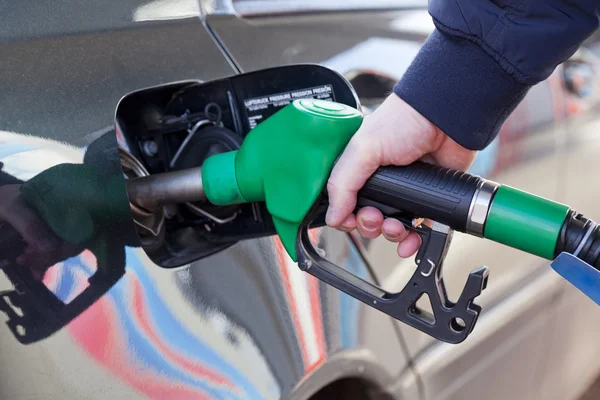
As fuel prices continue to rise, and environmental awareness becomes more critical, vehicle owners must find ways to reduce consumption. Optimizing fuel economy is not just about saving money; it’s about reducing our carbon footprint and contributing to a healthier planet. Achieving excellent fuel efficiency requires conscious effort in three main areas: driving habits, vehicle maintenance, and smart planning.
Master Smooth Driving Techniques
The most significant impact on fuel use comes from the driver. Aggressive acceleration and abrupt braking waste energy and fuel. To improve efficiency, aim for smooth, gradual starts and anticipate traffic lights and stops. When driving on highways, utilizing cruise control on flat roads helps maintain a steady speed, preventing unnecessary throttle changes. Furthermore, be mindful of your speed; driving at very high speeds drastically increases aerodynamic drag and fuel consumption. Reducing your speed from 120km/h to 100km/h can yield substantial savings.
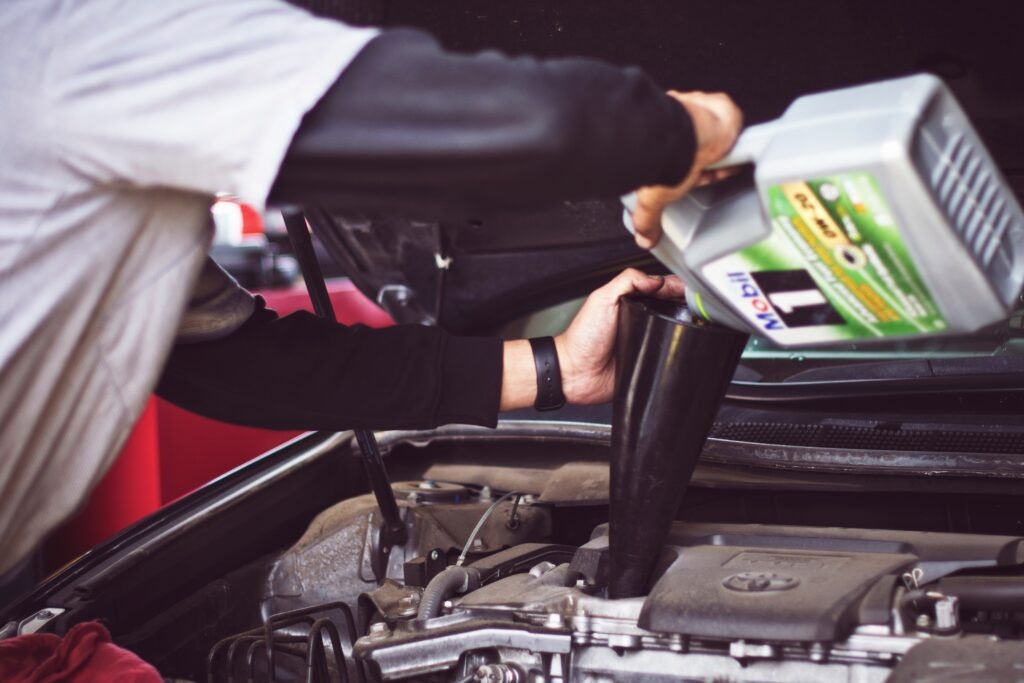
Prioritize Regular Vehicle Maintenance
A well-maintained car is a fuel-efficient car. Firstly, ensure your tire pressure is always correct. Under-inflated tires increase rolling resistance, forcing the engine to work harder. Secondly, replace air and oil filters regularly. A dirty air filter restricts airflow to the engine, causing inefficient combustion. Using the correct grade of engine oil reduces friction and improves engine performance. Also, removing unnecessary weight from the car’s trunk and taking off roof racks when not in use improves both aerodynamics and reduces engine load.
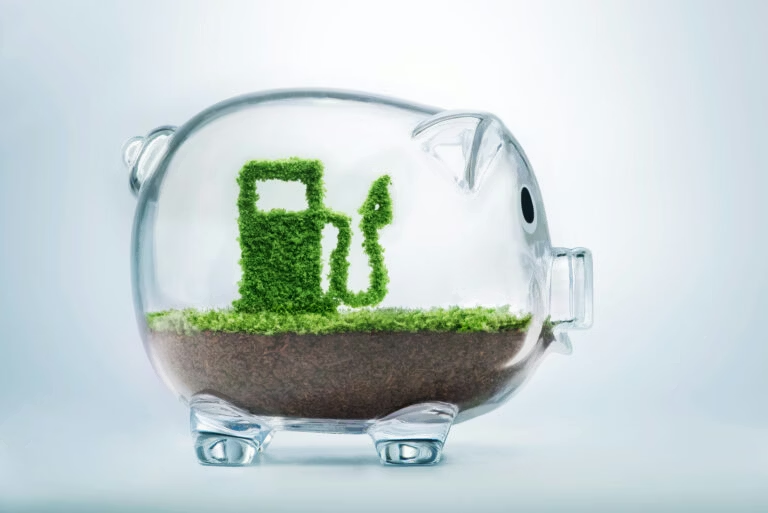
Plan Smart Routes and Utilize Technology
Careful trip planning can significantly cut down on fuel waste. Combine multiple short trips into one longer journey to ensure the engine operates at its most efficient temperature for longer periods. Avoid peak traffic hours where possible, as idling in congestion consumes fuel inefficiently. Finally, make use of your vehicle’s modern technology, such as the “Eco” driving mode (if available) and the start-stop system, which automatically shuts off the engine when the car is stationary.
Conculusion
By adopting these practices—driving smoothly, maintaining your car diligently, and planning intelligently—you can maximize your fuel efficiency, save money every month, and contribute to a cleaner environment. Start implementing these changes today for a more sustainable and cost-effective commute.
Referances:
https://motorway.co.uk/sell-my-car/guides/top-10-tips-for-improving-fuel-efficiency
https://toyota.com.mt/how-to-improve-fuel-economy/
https://www.aaa.com/autorepair/articles/how-to-maximize-fuel-economy



Leave a Reply